

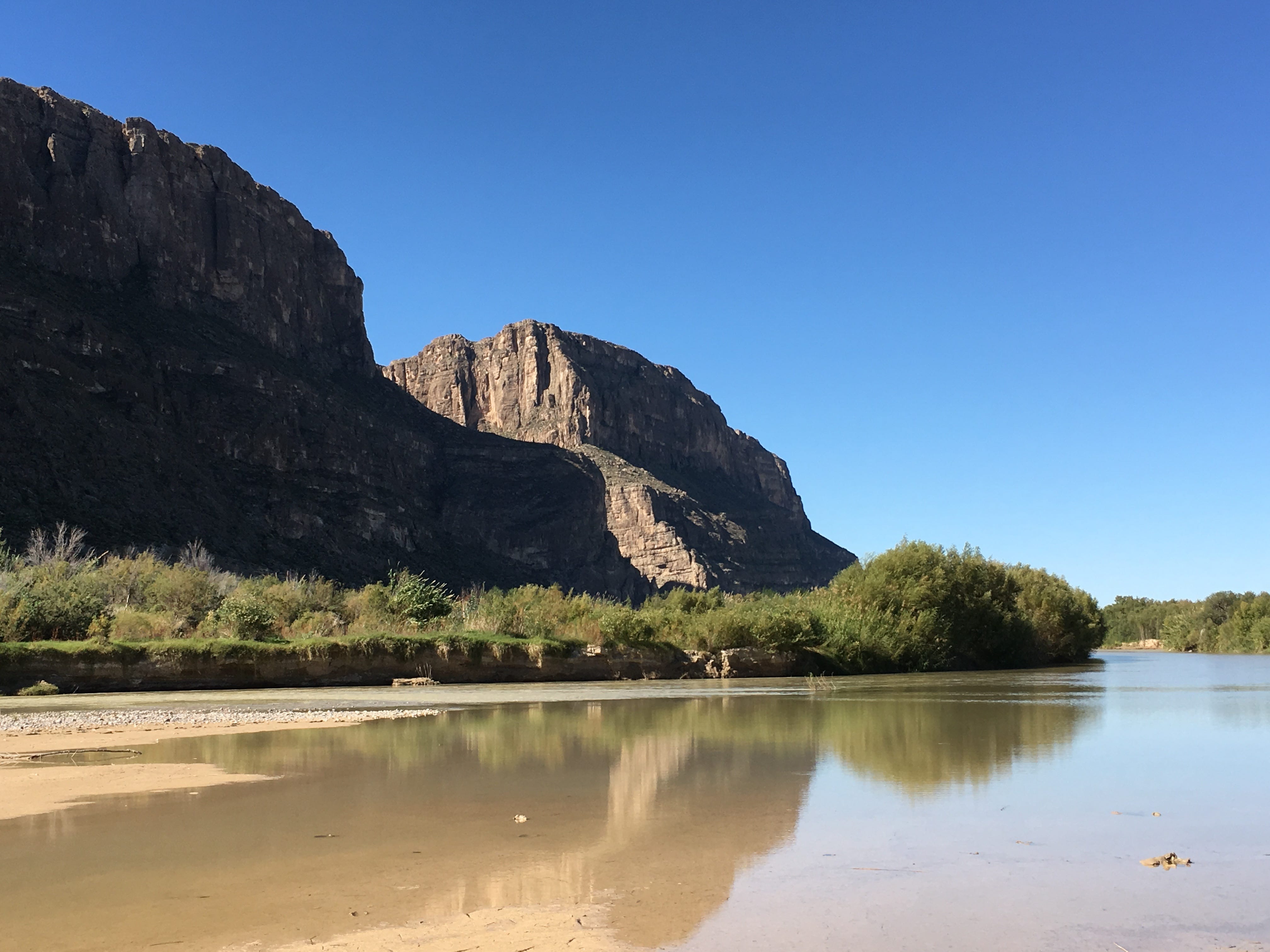
Mike Cox Photo
If being drawn to a place can be passed down through DNA, the Big Bend is in my genes.
My grandfather, long-time Texas journalist L.A. Wilke, became captivated by this amazing chunk of Texas when he first saw it 97 years ago. For the rest of his life, his attraction to the Big Bend never waned.
Granddad’s been gone a long time, but whenever I go to the Big Bend, I believe that in the cosmic scheme of things, he’s there with me. I feel the same pull he felt.
The Big Bend is the last extensive refuge of wilderness in Texas, but when Granddad first took in its rugged landscape, it was even more frontier-like. In fact, a Texas Ranger—albeit a one-armed one—had been assigned to escort Granddad’s party that long ago spring when he, another journalist, and a state official toured the area in a Ford Model A.
The driver was D.E. Colp, chairman of the State Parks Board. An executive with the Uvalde Rock Asphalt Co., Colp had been Gov. Pat Neff’s initial appointee to the newly created board.
In the back seat were Granddad, city editor of the Fort Worth Press, and Harry Williams, a veteran San Antonio Light staffer. Ranger Arch Miller rode shotgun.
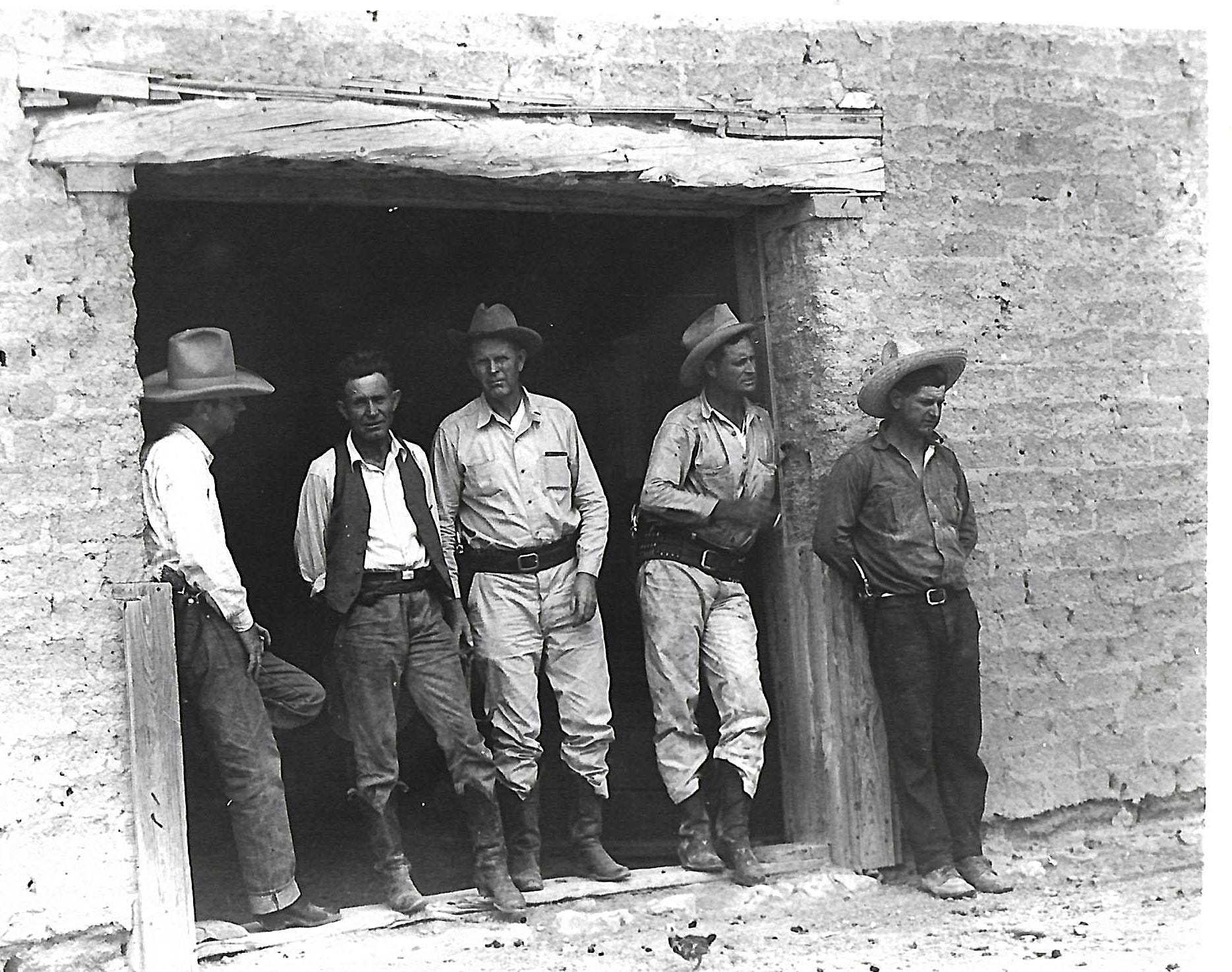
Texas Ranger Arch Miller, second from right, lost his left arm in an accident, not a gunfight
Wilke had an assignment from the Cleveland-based Newspaper Enterprise Association, a syndicate operated by Scripps-Howard (which owned the Press), to write a feature story on the growing movement to develop a large park in the Big Bend. Williams would be writing about it for his newspaper.
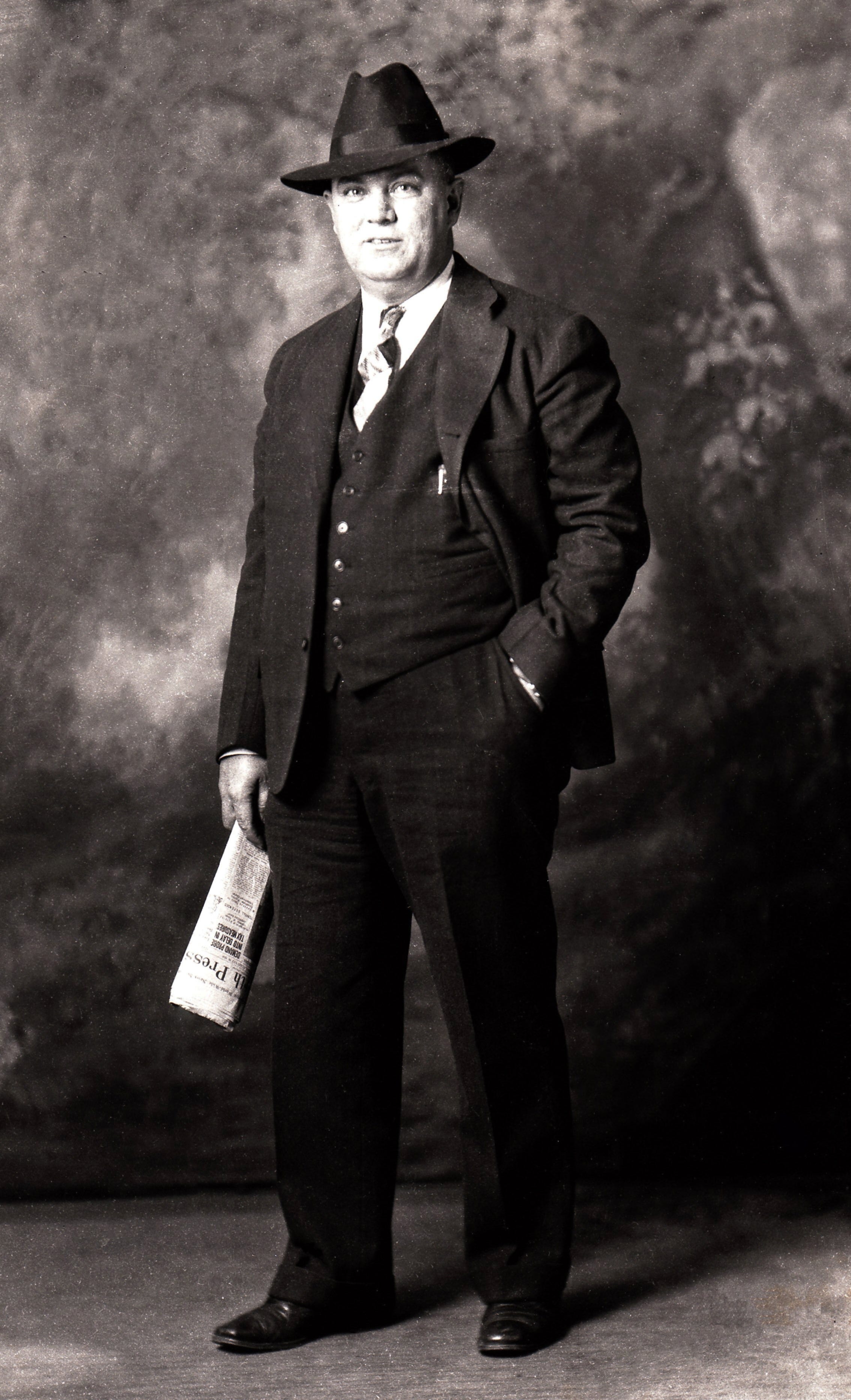
L.A. Wilke, city editor of the Fort Worth Press
The news hook for Colp’s Big Bend visit was the recent donation to the state of 23,000 acres by rancher John Humphries of Marfa. Humphries intended his Presidio County acreage to be park land.
Colp and Williams had driven from San Antonio to San Angelo, where Wilke joined them on May 15, 1929.
From there, it took them all morning to cover the 118 miles to the booming oil town of McCamey, where they had lunch at a greasy spoon café full of roughnecks. Afterward, Williams asked their waitress for a glass of water to wash his false teeth.
“A barrel of oil would be easier to get than water in this town,” she told him. Williams cleaned his dentures with his handkerchief.
From McCamey, the men preceded to Alpine, where they spent the night at the Holland Hotel.
The next morning, they drove south to the lower Big Bend, where they followed poor roads—more like trails—up the Rio Grande to Boquillas. They spent the night at the Ranger headquarters there, which is where Miller joined them.
As they drove through the village, Wilke noticed groups of Mexican kids gathered by the roadside, standing at attention, and saluting them as they drove by. “You’d better salute, you little [SOBs], I might be your daddy,” the ranger chaperon would say, reflective of the racism of the times.
They lunched the following day at Elmo Johnson’s trading post, 16 miles south of Castolon. There Wilke watched a group of Mexicans cross the river with a string of burros loaded with candelaria, a plant reducible to wax.
From Johnson’s place, they traveled to Marfa, where Wilke met store owner and Big Bend history buff Mrs. O.L. Shipman, daughter of former Texas Ranger Capt. Pat Dolan. She gave Wilke a copy of her new book, Taming the Big Bend. After leaving Marfa, the party headed to Presidio via the bustling silver mining town of Shafter. At Presidio, they met two U.S. Customs Service men who escorted the party to a camp—a Mexican-style jacal—they had about 40 miles from town.
The next day they were guests at L.C. Brite’s Ranch. Brite took them to one of Big Bend’s most beautiful and still-least-seen features, the spring-fed Capote Falls, which drops 175 feet. They also met with Humphries at his ranch.
Later, in Santa Elena Canyon, they encountered four rough and tumble river fishermen. The men had planned to use chicken entrails to bait their trotlines, but they had either forgotten or lost their bait. Happy to help fellow anglers, Wilke used the lever-action .22 Marlin he’d taken on the trip to shoot a couple of jackrabbits. He gave the long-eared critters to the fishermen, who used their viscera for bait.
Wilke and Colp then hiked up the canyon for some distance. As they followed a well-worn trail, they spotted a cougar in a salt cedar flat. Wilke took several shots at it and believed he might have hit it, but the mountain lion ran off.
When they returned a couple of hours later, the trotline fishermen had a bunch of catfish on their stringer, thanks to Wilke’s rifle work.
Back in Alpine, the group broke up and Wilke took the train to San Angelo, where his wife and daughters had been staying with her mother. Back in Fort Worth, he wrote his story and was pleased to see that it appeared in other Scripps-Howard newspapers across the nation, another step in the development of what became Big Bend National Park.